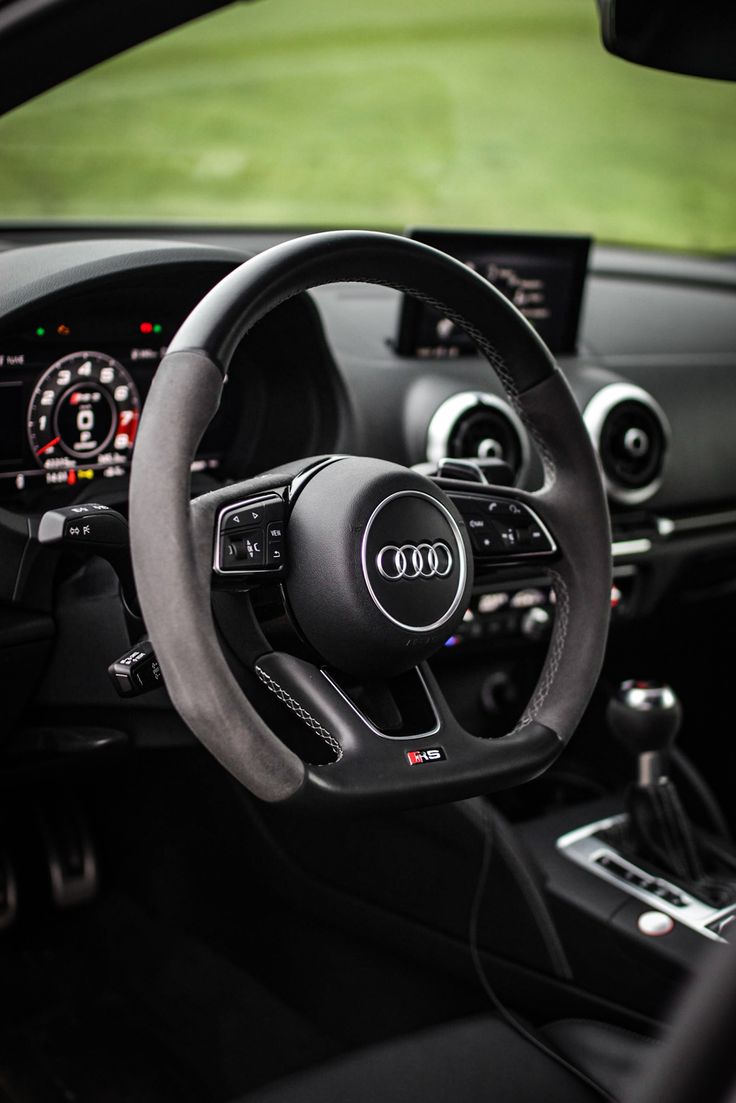
Audi S3 vs RS3: Where The Platforms Actually Differ
Past the badge and the cylinder count — the structural, mechanical, and tuning differences that decide which chassis is right for you.
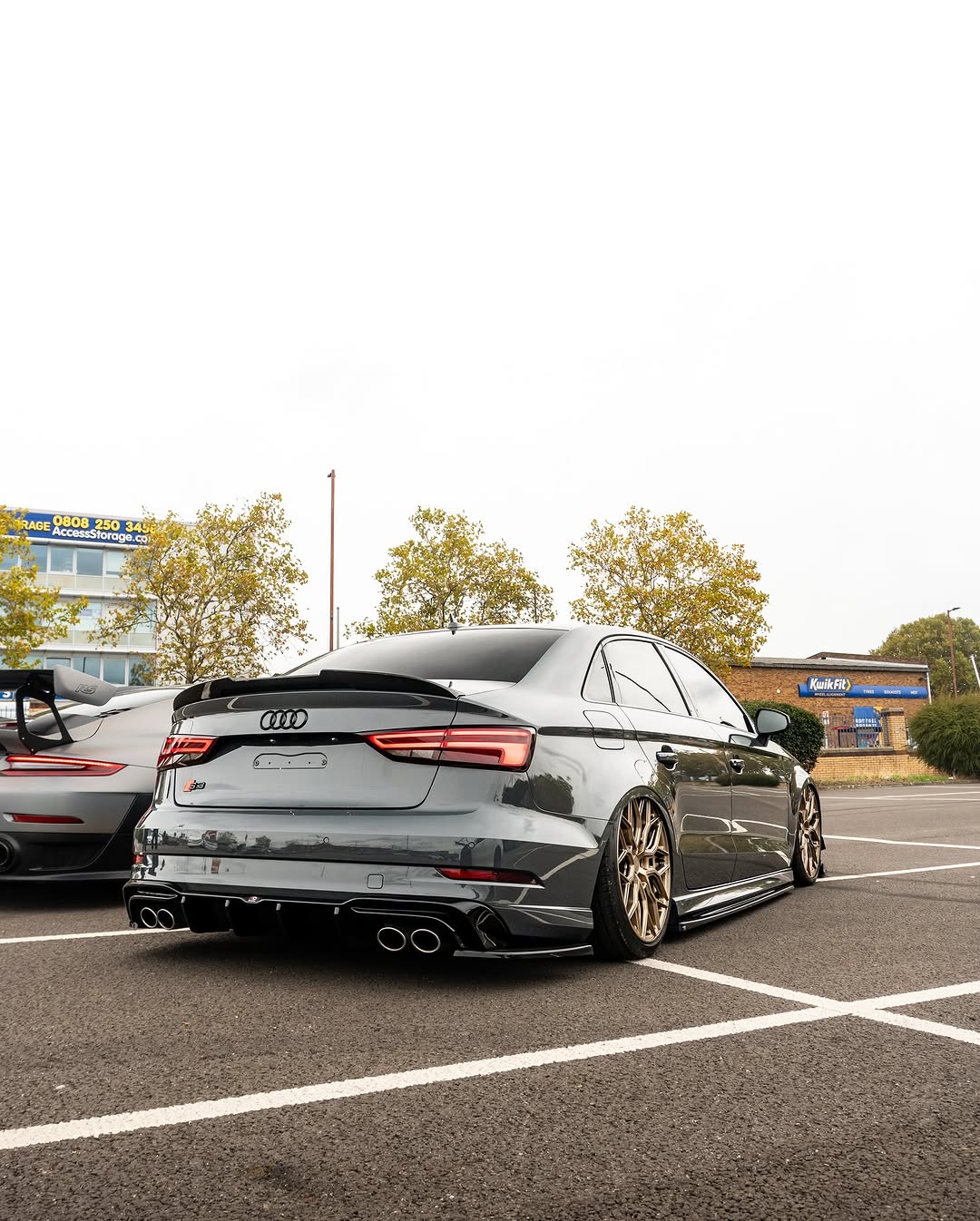
On paper the S3 and RS3 share an architecture. In practice they are two very different cars wearing similar clothes. Understanding where they diverge is the difference between buying the right chassis the first time and spending two years modifying the wrong one.
Engine character
The S3 runs the EA888 Gen 4 — a refined, tractable 2.0 TFSI with enormous tuning headroom. The RS3 runs the 2.5 TFSI five-cylinder, which is a fundamentally different powerplant: heavier, more theatrical, and structurally more expensive to modify.
All-wheel drive
Both chassis run quattro, but the RS3 carries the torque-splitter rear differential that allows true rear-bias and a drift mode. The S3 uses a more traditional Haldex-style coupling that prioritises traction over rotation.
Suspension and brakes
RS3 ships with adaptive dampers, larger brakes, and wider front track as standard. The S3 is closer to a Golf R in suspension geometry — which is not an insult; it is a hint about what the S3 actually is.
"The S3 is the car you build. The RS3 is the car you refine."
Neither chassis is better. They are tools for different jobs, and the modification path you choose should follow that honestly.